
A help desk interview is rarely about whether you know everything. It is about whether you can think clearly under a little pressure, talk to a frustrated person without making it worse, and learn fast. Knowing what each question is really checking for changes how you answer it.
”Walk me through troubleshooting a problem”
This is the most important question in the whole interview, and it is not about the specific fix. The interviewer wants to hear a method. Gather information from the user, narrow down where the problem actually lives, check the most likely causes first, apply a fix, and confirm it worked before you close it out. A candidate who shows a calm, repeatable process beats one who blurts the right answer with no structure behind it.
If you have practiced real tickets, this question is easy, because you are describing what you actually do. If you have not, it is obvious.
”How would you handle an angry user?”
They are testing temperament, not technical skill. The answer they want is some version of: stay calm, let them vent for a moment, acknowledge the frustration, and move them toward a fix. You are not defending yourself or matching their energy. You are the steady one. If you have worked any customer-facing job, you already have a real story for this, so use it.
The basic technical questions
Expect a handful of fundamentals. What is DNS. What does it mean when a machine has a 169.254 address. The difference between RDP and a VPN. How you would unlock an account in Active Directory. What the print spooler does. None of these are trick questions. They are checking that the basics are real for you. Reading our tool guides and then actually doing each task is how you make sure they are.
Scenario questions
“A user says the internet is down for the whole floor, what do you do?” The interviewer wants to see whether you confirm scope before touching anything, whether you know it could be one machine or the whole network, and whether you escalate sensibly. Talk through how you would figure out if it is one person or many, because that single instinct separates beginners from people who are ready.
How to prepare when you have no job history
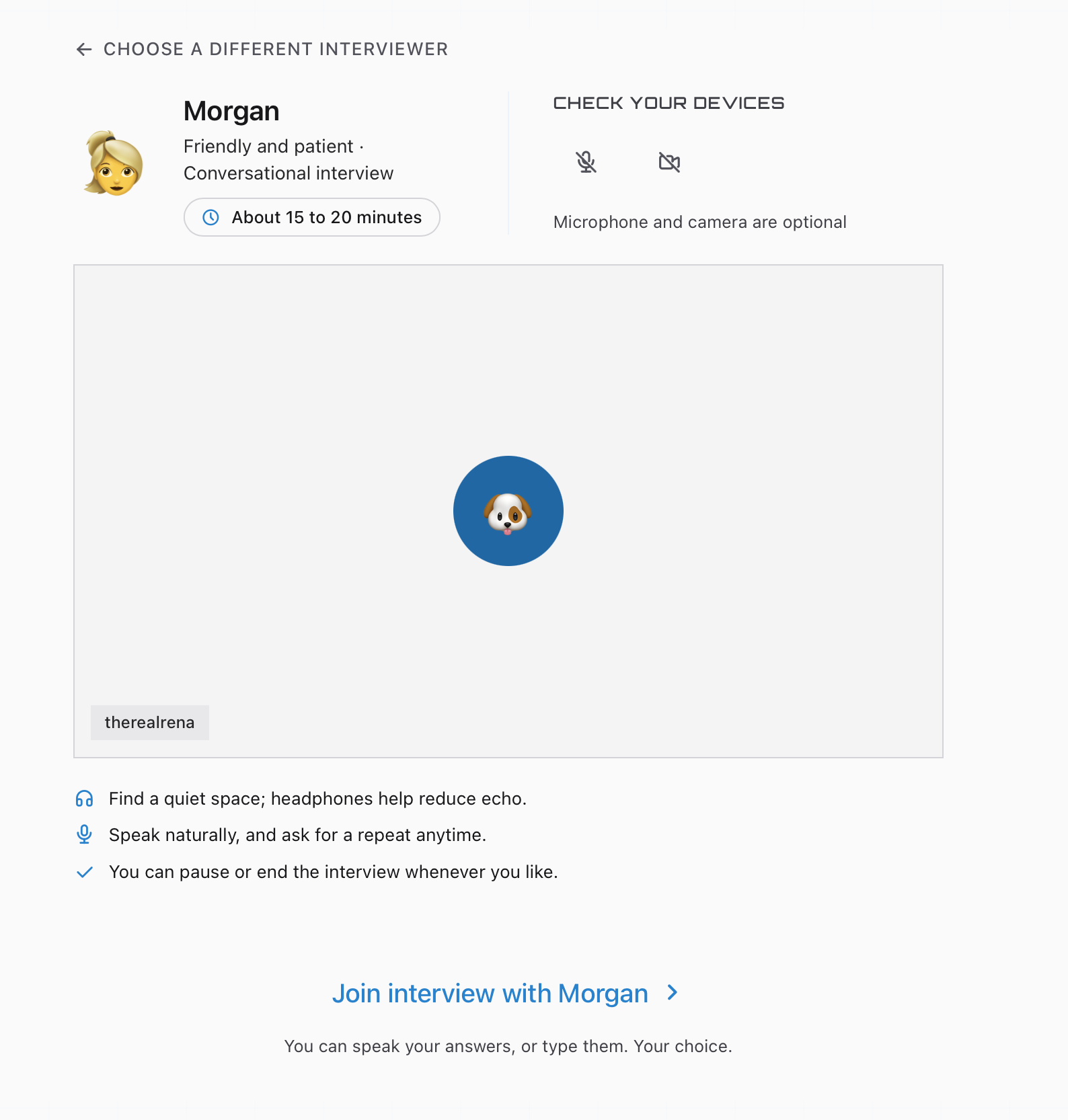
You cannot manufacture years of experience, but you can manufacture reps. Practice the actual work until the answers come from memory instead of theory. The ServiceDesk Simulator runs the exact scenarios these questions are about, and Pro includes mock interviews that put you on the spot the way a real panel does. Walking in having already answered these questions out loud, more than once, is the difference between freezing and flowing.
Have your own questions ready
When they ask if you have questions, always say yes. Ask which ticketing system they use, what a normal day looks like, how the team handles escalations, and what they would want to see from you in the first ninety days. Good questions read as genuine interest, and they are, because the answers tell you whether you actually want the job.